
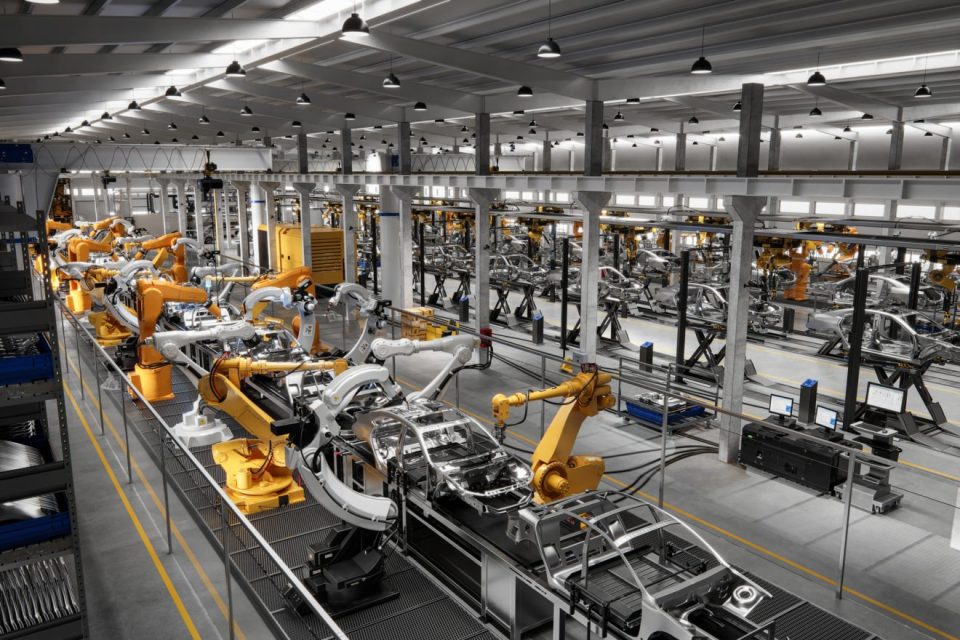
The term industry is foundational to modern economies, encompassing the organized production of goods and services, technological advancement, and employment generation. Industries shape markets, influence global trade, and drive innovation. An understanding of industry requires examining its types, organizational structures, economic impact, and challenges.
What Defines an Industry?
An industry refers to a collection of businesses and enterprises that produce similar goods or services, often governed by shared processes, technologies, or market demands. Industries are distinguished from individual enterprises because they represent an ecosystem rather than a single entity.
Key attributes of an industry include:
- Market Cohesion: Enterprises within an industry compete and collaborate within defined markets.
- Technological Commonality: Industries often share technologies, production methods, and innovation trends.
- Economic Contribution: Industries significantly contribute to GDP, employment, and international trade.
- Regulatory Frameworks: Industries operate under specific legal and ethical guidelines, including safety, environmental, and labor standards.
Industries are dynamic, adapting to changing consumer preferences, technological innovations, and global market conditions.
Types of Industries
Industries are broadly categorized based on their economic activities, technological focus, and production methods.
Primary Industry
Primary industries focus on extracting and harvesting natural resources. They form the foundation for other industrial sectors.
- Examples: Agriculture, mining, forestry, and fisheries.
- Importance: Provides raw materials for manufacturing and supports food security.
- Challenges: Resource depletion, climate impact, and price volatility.
Secondary Industry
Secondary industries involve manufacturing and processing raw materials into finished goods.
- Examples: Automobile manufacturing, textile production, electronics fabrication, and construction.
- Importance: Drives employment, technological development, and urbanization.
- Challenges: Energy dependency, supply chain complexity, and environmental regulations.
Tertiary Industry
Tertiary industries provide services rather than tangible goods, supporting primary and secondary industries as well as consumer needs.
- Examples: Banking, healthcare, education, logistics, and tourism.
- Importance: Facilitates trade, improves quality of life, and supports economic growth.
- Challenges: Labor-intensive operations, technology integration, and market saturation.
Quaternary Industry
Quaternary industries are knowledge-based, focusing on research, information, and technology services.
- Examples: IT services, scientific research, consulting, and media.
- Importance: Drives innovation, strategic decision-making, and digital transformation.
- Challenges: Rapid technological change, cybersecurity risks, and talent scarcity.
Quinary Industry
Quinary industries encompass high-level decision-making and policy formulation, often linked to government, non-profits, and top executive operations.
- Examples: Government administration, university leadership, executive consultancy, and non-profit management.
- Importance: Shapes public policy, strategic directions, and global collaboration.
- Challenges: Bureaucracy, political influence, and public accountability.
Industry Organization and Management
Industries operate within structured ecosystems involving multiple stakeholders, production networks, and regulatory oversight.
Enterprise Networks
Within industries, enterprises form networks that include suppliers, distributors, and service providers. Efficient coordination ensures seamless production, delivery, and innovation.
- Supply Chain Management: Central to industrial efficiency, reducing costs, and minimizing delays.
- Collaboration Models: Joint ventures, strategic alliances, and consortiums promote resource sharing and knowledge exchange.
Governance and Regulation
Industries are subject to regulatory oversight to ensure safety, environmental protection, and ethical practices.
- Standards and Certifications: ISO, OSHA, and environmental compliance frameworks enforce quality and safety.
- Government Policies: Industrial policies, taxation, subsidies, and trade agreements influence market behavior.
- Corporate Governance: Promotes transparency, accountability, and stakeholder trust within industrial enterprises.
Technological Integration
Industries leverage technological advancements to optimize production, reduce waste, and enhance innovation.
- Automation: Robotics and AI improve operational efficiency and reduce human error.
- Data Analytics: Real-time data monitoring enhances decision-making and predictive maintenance.
- Sustainable Technologies: Renewable energy, waste management, and eco-friendly materials reduce environmental impact.
Economic Impact of Industries
Industries are critical drivers of economic development, influencing employment, GDP, and trade.
Employment Generation
Industries provide diverse employment opportunities, from skilled technical positions to managerial and administrative roles. Large industries often implement structured training and career progression programs, enhancing workforce capability.
Contribution to GDP
Industrial activity contributes to GDP through production, taxation, and investment. Developed industries attract foreign direct investment, stimulate infrastructure development, and enhance global trade competitiveness.
Innovation and Technology Transfer
Industries facilitate technological diffusion, fostering innovation across sectors. For example, advances in manufacturing can be applied to healthcare, logistics, or construction, accelerating productivity across multiple sectors.
Social and Community Impact
Industries influence societal development through corporate social responsibility (CSR) initiatives, including:
- Community development programs
- Environmental conservation projects
- Educational support and skill-building initiatives
Key Trends Shaping Industries
Industries evolve rapidly due to technological, social, and economic transformations. Recognizing trends helps enterprises remain competitive and sustainable.
Digital Transformation
Industries increasingly integrate AI, big data, cloud computing, and IoT to streamline operations, predict market trends, and enhance customer experience.
Sustainability and Green Practices
Sustainability is no longer optional. Industries adopt renewable energy, circular economy practices, and waste reduction strategies to comply with environmental standards and meet consumer expectations.
Globalization and Trade Integration
Global supply chains allow industries to access raw materials, talent, and markets worldwide. While globalization expands opportunities, it also introduces risks such as geopolitical instability and regulatory variation.
Industry 4.0
The fourth industrial revolution emphasizes smart factories, automation, and data-driven operations. Industry 4.0 promotes efficiency, adaptability, and predictive capabilities across manufacturing and service sectors.
Workforce Evolution
Industries face changes in workforce expectations, including remote work adoption, flexible schedules, and emphasis on diversity and inclusion. Attracting top talent requires balancing operational demands with employee well-being and development opportunities.
Risk Management and Resilience
Industries must mitigate operational, financial, and technological risks. Advanced risk management frameworks include:
- Cybersecurity protocols
- Contingency planning for supply chain disruptions
- Financial hedging against market volatility
Challenges Confronting Modern Industries
Despite opportunities, industries encounter multiple challenges that require strategic foresight and adaptability.
- Regulatory Complexity: Navigating multi-jurisdictional regulations requires expertise and continuous compliance monitoring.
- Technological Disruption: Rapid innovation can render existing processes or products obsolete.
- Environmental Concerns: Industries face pressure to reduce carbon footprint and implement sustainable practices.
- Market Volatility: Changing consumer preferences, trade policies, and economic fluctuations influence profitability.
- Talent Acquisition and Retention: Skilled labor shortages and workforce mobility require targeted talent management strategies.
Industry Case Studies: Real-World Impacts
Understanding the dynamics of specific industries highlights practical applications of theoretical frameworks.
Manufacturing Industry
The manufacturing sector employs automation and lean production systems to increase efficiency. Companies integrate IoT-enabled machinery to monitor real-time production metrics, improving quality and reducing downtime.
Healthcare Industry
Healthcare industries leverage data analytics, telemedicine, and advanced diagnostics to improve patient care. Partnerships with pharmaceutical companies and research institutions accelerate drug development and innovative therapies.
Technology Industry
Technology industries drive innovation across sectors, from software and hardware development to AI and cybersecurity solutions. Agile development and global talent acquisition ensure continuous competitiveness.
Renewable Energy Industry
Renewable energy industries demonstrate sustainable growth by integrating solar, wind, and bioenergy solutions. Strategic government incentives and corporate investment promote infrastructure expansion and green job creation.
Conclusion
Industries are complex ecosystems that drive economic development, innovation, and societal progress. From primary resource extraction to high-level knowledge services, industries shape global markets and influence daily life. Understanding industry types, operational frameworks, technological integration, and emerging trends equips stakeholders to make informed decisions, foster innovation, and contribute to sustainable growth.
Industries are not static; they evolve with technology, regulations, and consumer expectations. Strategic planning, risk management, and stakeholder engagement ensure that industries remain resilient and continue to drive long-term economic and social value.
Frequently Asked Questions
1. How does industry differ from individual businesses?
An industry represents a group of businesses producing similar goods or services, whereas a business is a single operational entity within that sector.
2. What role does technology play in modern industries?
Technology enhances productivity, reduces costs, improves quality, and drives innovation across industrial operations.
3. Why is sustainability critical for industries today?
Sustainable practices reduce environmental impact, comply with regulations, and meet growing consumer expectations for ethical operations.
4. How do industries contribute to employment?
Industries create diverse job opportunities, from entry-level positions to specialized technical and managerial roles, supporting workforce development and economic stability.
5. What are the main challenges facing global industries?
Industries face regulatory complexity, technological disruption, market volatility, environmental pressures, and talent management challenges.
6. How does Industry 4.0 impact production?
Industry 4.0 integrates smart manufacturing, automation, and data analytics to optimize processes, predict maintenance needs,
