
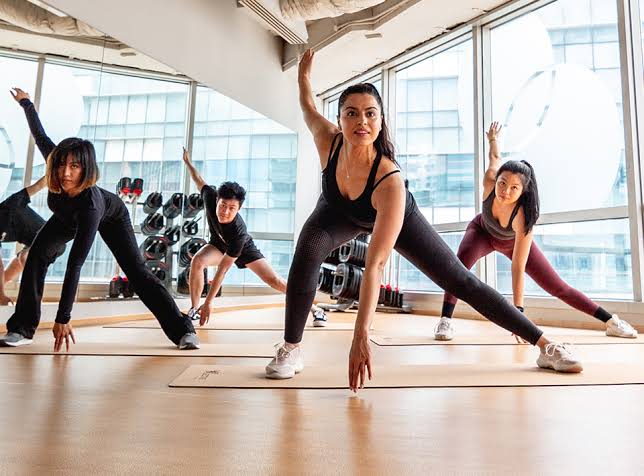
A 30-minute class rarely occupies only 30 minutes of the workday. Professionals considering lunchtime hiit classes singapore need to count travel, changing, check-in, showering, cooling down and returning to work.
Ignoring these transitions creates a routine that works once but repeatedly conflicts with meetings and meals. A sustainable plan measures the complete door-to-door block.
Start With the Actual Lunch Window
An employee may technically have one hour for lunch, but the usable period can be shorter. Meetings may finish late, and the person needs time to return to the desk.
A 30-minute class may require 15 minutes before and 20 minutes afterwards. Travel can make the total considerably longer.
The schedule should be tested with realistic margins rather than perfect timing.
Location Determines Feasibility
A club within the same building or connected development can make lunchtime training practical. A facility that requires several transport changes may not.
Walking time should include lifts, crossings and entry into the building. Singapore’s heat and rain can also influence how long the journey feels.
A location that appears close on a map should be tested during the real lunch period.
Changing Time Is Not Fixed
The time required depends on clothing, lockers and how much preparation the class needs. Searching for equipment or waiting for a changing space can add delay.
Packing clothing in a consistent order and arriving already prepared where workplace rules allow can reduce friction.
The routine should not depend on every locker and changing area being immediately available.
Cooling Down Takes Time
HIIT can leave heart rate, breathing and body temperature elevated after the timer ends. Moving directly into the shower may still leave the participant sweating afterwards.
A few minutes of light movement and gradual recovery can improve the transition. The class duration should not be treated as the moment the participant is ready for office clothing.
Singapore’s climate can prolong the cooling process during the return journey.
Shower Capacity Matters
A facility may have suitable classes while queues for showers make lunchtime attendance unreliable. The member should assess changing areas during the intended period.
Waiting five or ten minutes can be enough to disrupt the schedule. A trial visit should include the post-class process, not only the workout.
Facilities serving office districts need to recognise this operational bottleneck.
Meals Need a Plan
Lunch training can displace the meal that normally provides afternoon energy. The participant may need to eat before class, afterwards or in two smaller parts.
A large meal immediately before jumping and fast movement may feel uncomfortable. Skipping lunch entirely can reduce concentration later.
Portable, familiar options can make the routine more reliable.
The Return to Work Is Part of Recovery
A participant may finish a demanding class and immediately enter a complex meeting. Physical fatigue and incomplete hydration can affect concentration.
Not every lunchtime session needs maximum effort. A moderate personal dose may fit the workday better while still providing useful training.
The class should support the afternoon rather than make it unmanageable.
Booking Needs Predictability
A waitlisted lunchtime class is difficult to plan around because the participant also needs to arrange meals and clothing. Reliable booking improves routine formation.
Cancellation notifications should arrive early enough for an alternative workout or normal lunch plan. Members can identify a backup class or independent session.
Uncertain access increases decision fatigue.
Employer Culture Influences Sustainability
A workplace may officially support wellness while scheduling meetings throughout lunch. Employees cannot build a routine without a protected time window.
Flexible lunch policies and realistic expectations about return time can improve participation. The benefit comes from operational support, not only gym proximity.
Employees should still communicate clearly and meet workplace responsibilities.
Use a Trial Run
A practical test includes:
- Leaving the workstation.
- Travelling to the club.
- Changing and checking in.
- Completing the class.
- Cooling down and showering.
- Obtaining food.
- Returning to work.
This reveals the real duration and where delays occur.
At True Fitness Singapore, office-area members can evaluate whether class times, facilities and travel routes fit within their actual workday.
Create a Minimum Version
Some days will not support the full routine. A shorter independent workout can preserve activity when changing or booking time becomes difficult.
The employee should not attempt to compress a full-intensity class into an unsafe rush. The alternative should already be planned.
Flexibility prevents one late meeting from cancelling the entire week.
Lunchtime Success Depends on Logistics
HIIT’s short duration makes it attractive to busy professionals, but the workout is only one part of the visit. Changing, showering, food and recovery determine whether the habit survives.
A sustainable lunchtime plan contains enough margin for normal delays and leaves the participant ready to work. When the complete time block fits, the class can become an efficient routine rather than a weekly scheduling problem.
