
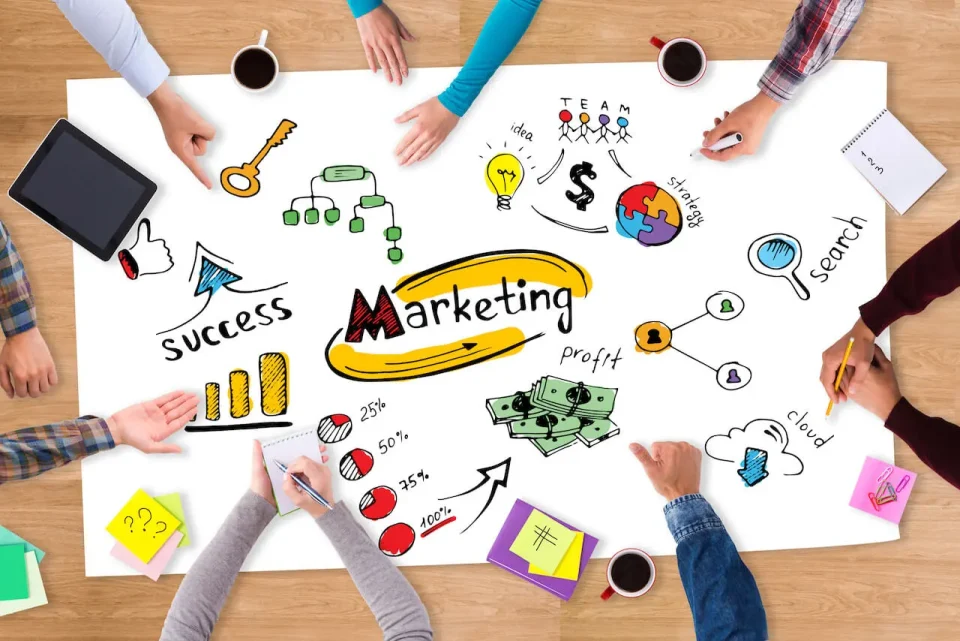
Marketing is the cornerstone of business growth and consumer engagement, serving as the bridge between organizations and their target audiences. Effective marketing not only drives sales but also builds brand reputation, strengthens customer loyalty, and fosters long-term business sustainability. In today’s hyper-competitive market, understanding and applying advanced marketing strategies is crucial for organizations of all sizes.
What Is Marketing?
Marketing is the systematic process of creating, communicating, delivering, and exchanging offerings that have value for customers, clients, partners, and society at large. It encompasses more than just advertising or sales; marketing integrates research, analysis, creativity, and strategy to influence consumer behavior and achieve business objectives.
Core components of marketing include:
- Market Research: Collecting and analyzing data to understand customer needs, preferences, and trends.
- Brand Management: Crafting and maintaining a strong identity that resonates with audiences.
- Customer Relationship Management (CRM): Nurturing long-term engagement through personalized communication and service.
- Promotional Strategy: Selecting and executing the right channels and messages to influence purchasing decisions.
Marketing is both an art and a science, requiring a balance between data-driven insights and creative execution.
Core Functions of Marketing
Marketing can be broken down into several interrelated functions that together form a comprehensive strategy.
Market Research and Analysis
Market research is foundational to effective marketing, providing insights that guide strategy development.
- Consumer Analysis: Identifies demographic, psychographic, and behavioral characteristics of target audiences.
- Competitor Benchmarking: Assesses industry standards and competitor strategies to identify opportunities and gaps.
- Trend Forecasting: Uses predictive analytics to anticipate shifts in consumer behavior and market conditions.
Data-driven research ensures that marketing efforts are targeted, relevant, and impactful.
Product and Service Development
Marketing influences the creation and refinement of products and services based on consumer needs.
- Value Proposition Design: Defines what makes a product or service unique and desirable.
- Feedback Integration: Incorporates customer feedback to enhance product quality and relevance.
- Lifecycle Management: Guides products from launch to maturity, ensuring continued market relevance.
Understanding consumer pain points and preferences helps brands create offerings that resonate and stand out.
Branding and Positioning
A strong brand differentiates a business in crowded markets, builds trust, and drives loyalty.
- Brand Identity: Visual elements, messaging, and tone that communicate the brand’s essence.
- Positioning Strategy: Determines how a brand is perceived relative to competitors.
- Reputation Management: Monitors public perception and addresses issues proactively.
Effective branding ensures long-term recognition and fosters emotional connections with audiences.
Marketing Communication and Promotion
Marketing communications involve delivering messages that inform, persuade, and engage target audiences.
- Advertising: Paid campaigns across digital, print, broadcast, and outdoor channels.
- Content Marketing: Educates and entertains while building authority and trust.
- Public Relations (PR): Manages media relations and strengthens brand credibility.
- Sales Promotions: Short-term tactics to incentivize purchases, such as discounts or bundles.
Choosing the right channels and crafting compelling messages ensures maximum reach and impact.
Digital Marketing
The rise of the internet and mobile technology has transformed marketing, making digital strategies essential.
- Search Engine Optimization (SEO): Enhances website visibility and drives organic traffic.
- Social Media Marketing: Engages audiences, builds communities, and encourages sharing.
- Email Marketing: Provides personalized communication to nurture leads and retain customers.
- Pay-Per-Click Advertising (PPC): Targets specific audiences with measurable results.
- Influencer and Affiliate Marketing: Leverages trusted voices to expand reach and credibility.
Digital marketing allows for precise targeting, data-driven optimization, and real-time performance tracking.
Customer Relationship Management
CRM involves building and maintaining long-term relationships with customers to enhance loyalty and lifetime value.
- Personalization: Tailors offers and communication based on customer preferences.
- Engagement Strategies: Utilizes loyalty programs, exclusive offers, and community building.
- Data Analytics: Tracks customer behavior and feedback to improve experiences and predict trends.
Strong CRM systems increase retention, improve satisfaction, and generate repeat business.
Principles of Effective Marketing
Effective marketing is guided by core principles that help businesses achieve sustained growth.
- Customer-Centricity: Understanding and prioritizing the needs and desires of the target audience.
- Consistency: Maintaining uniform messaging and branding across channels and campaigns.
- Differentiation: Highlighting unique benefits that set products or services apart.
- Adaptability: Adjusting strategies to evolving market conditions and consumer trends.
- Measurability: Utilizing metrics and analytics to evaluate success and optimize efforts.
Applying these principles ensures marketing efforts are strategic, efficient, and results-driven.
Modern Marketing Strategies
Marketing strategies are evolving rapidly, integrating technology, analytics, and innovative thinking.
Content-Driven Marketing
Content marketing focuses on providing valuable, informative, or entertaining content that attracts and retains customers.
- Educational Content: Blogs, webinars, and guides that inform audiences.
- Storytelling: Narratives that humanize the brand and create emotional connections.
- Multimedia Formats: Videos, podcasts, and interactive content enhance engagement.
Content marketing establishes authority, improves SEO performance, and nurtures long-term relationships.
Data-Driven Marketing
Advanced analytics and AI are revolutionizing marketing decisions by providing actionable insights.
- Predictive Analytics: Forecasts consumer behavior and campaign performance.
- Customer Segmentation: Divides audiences based on behavior, demographics, or interests for precise targeting.
- Real-Time Optimization: Adjusts campaigns dynamically for maximum impact.
Data-driven marketing improves efficiency, reduces waste, and enhances ROI.
Experiential Marketing
Experiential marketing creates immersive experiences that allow consumers to interact with brands physically or digitally.
- Event Marketing: Conferences, expos, and product demonstrations enhance engagement.
- Interactive Campaigns: AR/VR experiences or gamified content create memorable interactions.
- Community Initiatives: Engaging customers through local or social causes strengthens loyalty.
Experiential marketing builds emotional connections and encourages advocacy.
Omnichannel Marketing
Omnichannel marketing integrates multiple touchpoints, providing a seamless experience across online and offline channels.
- Integrated Campaigns: Unified messaging across social media, email, and in-store experiences.
- Cross-Device Consistency: Ensures smooth interaction from mobile to desktop to physical locations.
- Data Synchronization: Connects CRM, analytics, and point-of-sale systems for cohesive insights.
Omnichannel strategies improve customer experience, retention, and brand perception.
Challenges in Contemporary Marketing
Even with sophisticated tools and strategies, modern marketers face several challenges:
- Information Overload: Consumers are exposed to thousands of marketing messages daily, making it difficult to capture attention.
- Rapid Technological Change: Keeping up with evolving platforms, algorithms, and AI-driven solutions is complex.
- Data Privacy Concerns: Regulations like GDPR and CCPA require careful handling of customer information.
- Globalization and Cultural Differences: Marketing strategies must adapt to diverse cultural norms, languages, and market dynamics.
- Saturation and Competition: Standing out in crowded markets requires constant innovation and differentiation.
Overcoming these challenges requires agility, creativity, and data-informed decision-making.
Case Studies: Marketing Excellence
E-Commerce Sector
E-commerce companies rely on omnichannel and personalized marketing to drive engagement. AI-powered recommendation engines, targeted email campaigns, and dynamic pricing strategies have increased conversions and lifetime customer value.
Travel and Tourism
Travel brands leverage experiential marketing and social media to create immersive narratives. Influencer campaigns, virtual tours, and personalized travel itineraries enhance booking rates and customer satisfaction.
Technology Companies
Tech enterprises use data-driven content marketing to educate and attract B2B and B2C audiences. Thought leadership articles, webinars, and case studies showcase expertise and build trust in highly competitive markets.
Consumer Goods
Brands in the consumer goods sector focus on branding and storytelling, creating emotional connections through packaging, campaigns, and sustainability initiatives. Cause-related marketing strengthens loyalty and brand perception.
Conclusion
Marketing is an essential function that drives growth, engagement, and sustainability in modern business. By integrating research, strategy, creativity, and technology, organizations can connect with audiences meaningfully, differentiate their offerings, and achieve long-term success.
From content-driven approaches to data-informed campaigns, marketing continues to evolve, demanding innovation, agility, and customer-centricity. Businesses that adopt holistic, evidence-backed marketing strategies are better positioned to navigate competitive markets, anticipate consumer needs, and build enduring brand value.
Frequently Asked Questions
1. What is the difference between marketing and advertising?
Marketing is the overall strategy to identify, attract, and retain customers, while advertising is a subset of marketing that focuses on promoting products or services through paid channels.
2. How does digital marketing differ from traditional marketing?
Digital marketing uses online channels like search engines, social media, and email to engage customers, offering precise targeting, real-time tracking, and cost efficiency compared to traditional media like TV, print, or radio.
